Reviewed · TOURS IN SUVA
Suva: Half Day City Sightseeing Tour
Suva’s story comes together on the road. This four-hour outing links government buildings, a colonial hotel district, gardens, markets, the Fiji Museum, and handmade crafts, giving you a useful first look at Fiji’s capital rather than a single isolated sight. Thurston Botanical Gardens and the museum are the strongest stops for understanding the city.
I like the chance to combine local shopping with historical sights, especially the municipal market and Government Handicraft Center. I also like that guides can add a food stop or extra photo stop when time allows. The main concern is reliability: pickup delays, vehicle problems, and an uneven standard of guiding have affected some departures.
Key points to know before booking
- Suva’s history is seen from the road: The route connects government buildings, colonial architecture, Albert Park, and modern city streets.
- Thurston Botanical Gardens adds a quiet break: Look for palms, gingers, water lilies, and other local plants.
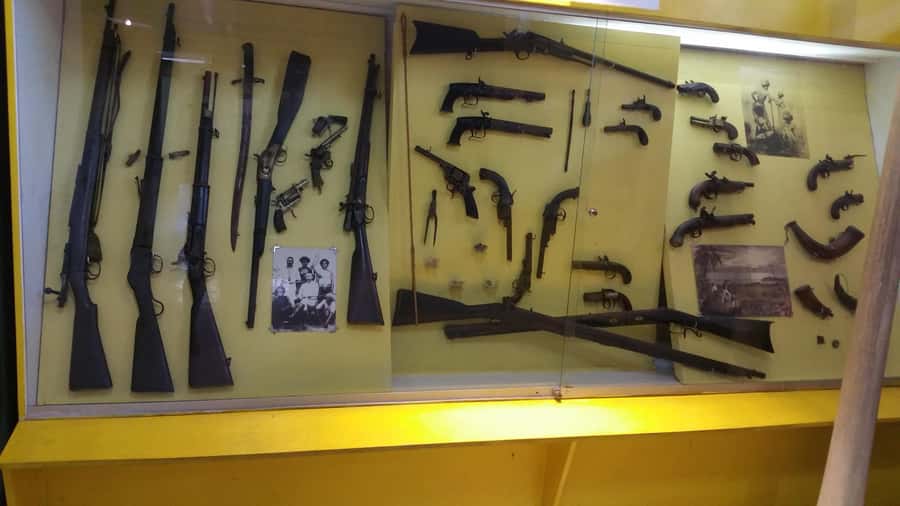
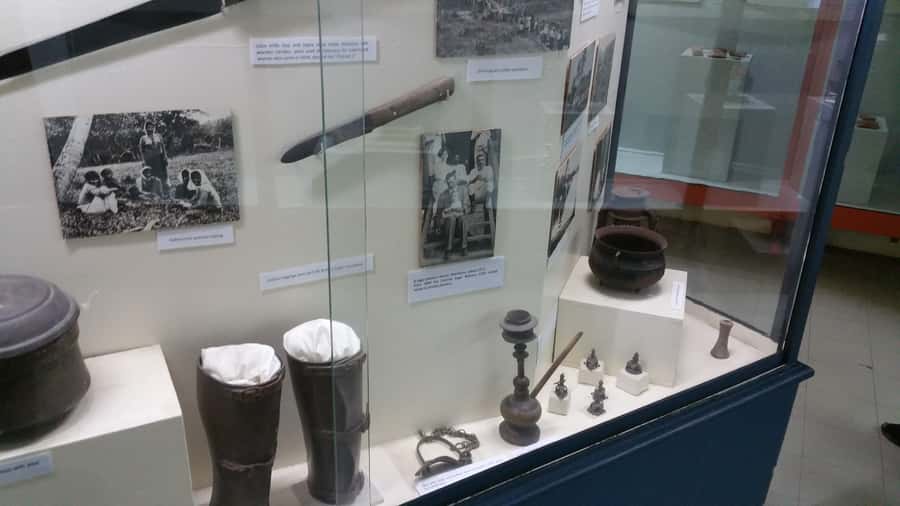
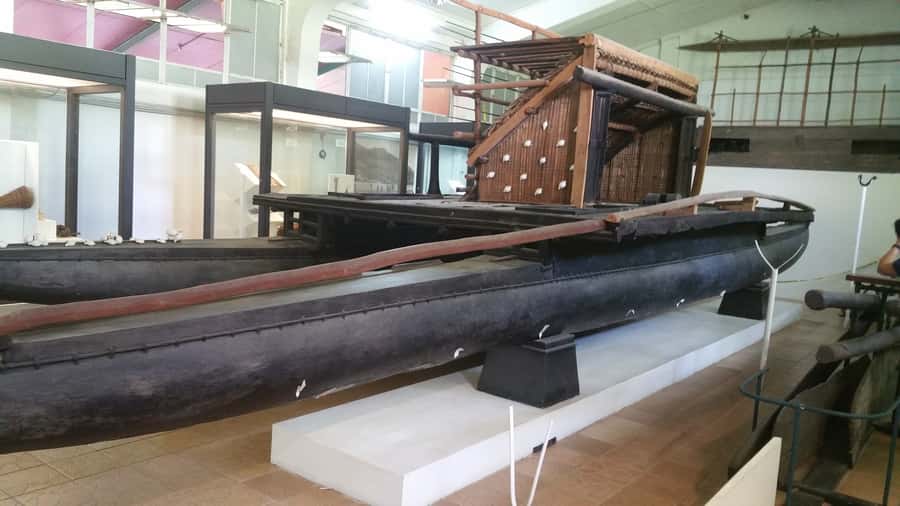
- The Fiji Museum costs extra: Entry fees are not included, and the museum contains pottery, double-hulled canoes, and the remains of Reverend Thomas Baker’s boots.
- Shopping is part of the tour: You visit the municipal market and the Government Handicraft Center for local gifts and handmade crafts.
- Guide quality matters: John has been singled out for strong information about Fiji and for adapting to requests, but not every departure has been equally well organized.
- Allow room for delays: Pickup is included, but one departure began late and another port pickup took considerable effort to sort out.
A useful first look at Fiji’s capital
Suva is not a resort town dressed up for visitors. It is Fiji’s seat of government and center of commerce, with working streets, public offices, markets, old colonial buildings, and modern shops. That makes this tour useful if you want context before heading to beaches or outer islands.
The sightseeing is mostly done by vehicle, with short walks and photo stops. You are not spending hours inside one attraction. Instead, the guide connects the pieces and explains how Suva developed as a political and commercial center.
That approach suits you if you have only one day in the city, are staying in Suva or the Nausori area, or want someone else to handle the driving. It is less appealing if you prefer a slow museum visit, a long market session, or a fully predictable private itinerary.
Pickup is available from the Holiday Inn Suva, Grand Pacific Hotel, Peninsula International Hotel Suva, Port of Suva, and Lagilagi Housing Road. Drop-off is offered at the same places. An air-conditioned vehicle is included, which is a welcome feature in Suva’s warm and often humid conditions.
Other trips people book in Fiji:
- Cruisin Fiji: Authentic Fijian Day Cruise – Best Day in Fiji
★ 5.0 · 2,409 reviews - Jet Boat Safari on the Sigatoka River
★ 5.0 · 1,135 reviews - River Tubing Fiji, Navua River
★ 5.0 · 815 reviews
Albert Park and the President’s Residence
The tour begins with a drive past the President’s Residence and Albert Park. These are not just quick landmarks to check off. They place modern Fiji’s government district beside an open public park with an unusual aviation connection.
Albert Park is associated with Kingsford Smith’s 1928 flight from America to Australia. His small aircraft landed here during that epic journey, giving the park a memorable link to early long-distance aviation.
You should expect a photo stop rather than a long visit inside government property. The President’s Residence is viewed from outside, and the value comes from the guide’s explanation of the surrounding area. If you want detailed interior access or a formal government tour, this outing does not provide it.
I like this early part of the route because it gives you a quick sense of Suva’s civic importance. You see where national business is conducted before the tour shifts to plants, markets, museums, and shopping.
Thurston Botanical Gardens: a calm stop in the city
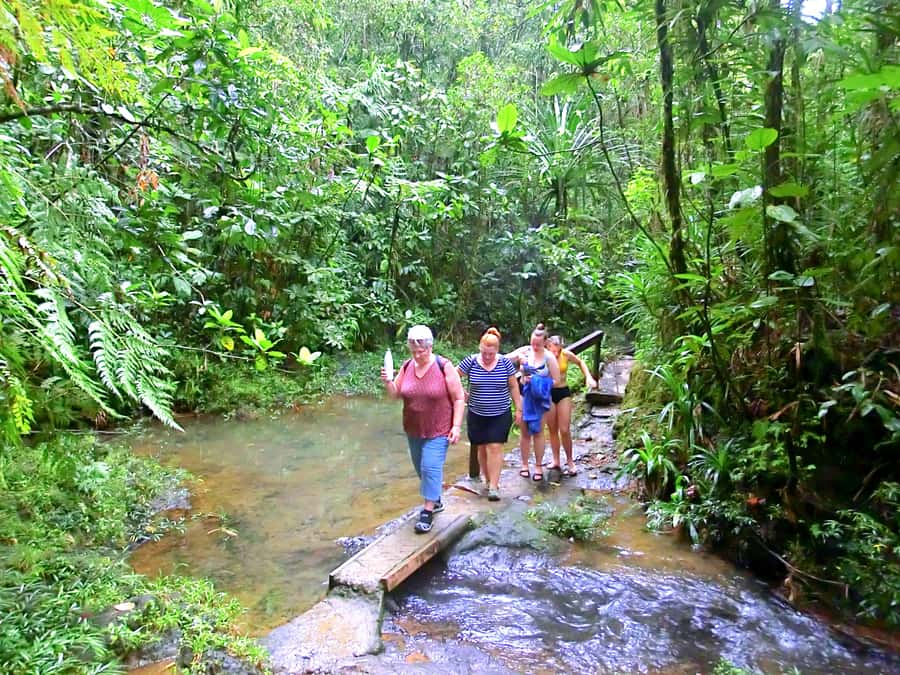
Thurston Botanical Gardens brings a change of pace. The gardens contain local flora, including many varieties of palms, gingers, and water lilies. After driving through city streets, this is a pleasant place to walk, take photographs, and see plant life connected to Fiji’s tropical setting.
The gardens are especially useful for anyone who does not have time to visit a larger nature area outside Suva. You will not get a full botanical excursion in this half-day format, but you can see a range of tropical plants without leaving the city center.
Your guide may provide more value here than the stop alone. Ask about the plants, how they fit into Fijian life, and the history of the gardens. The supplied information does not promise a specialist garden talk, so the depth will depend on your guide.
This is also a good reminder that the tour includes walking. The exact amount is not stated, but you will walk at the gardens, market, museum, and craft center. People with mobility impairments, back problems, or heart problems are advised not to book, and wheelchair users are listed as unsuitable for the activity.
Suva Municipal Market and lunch
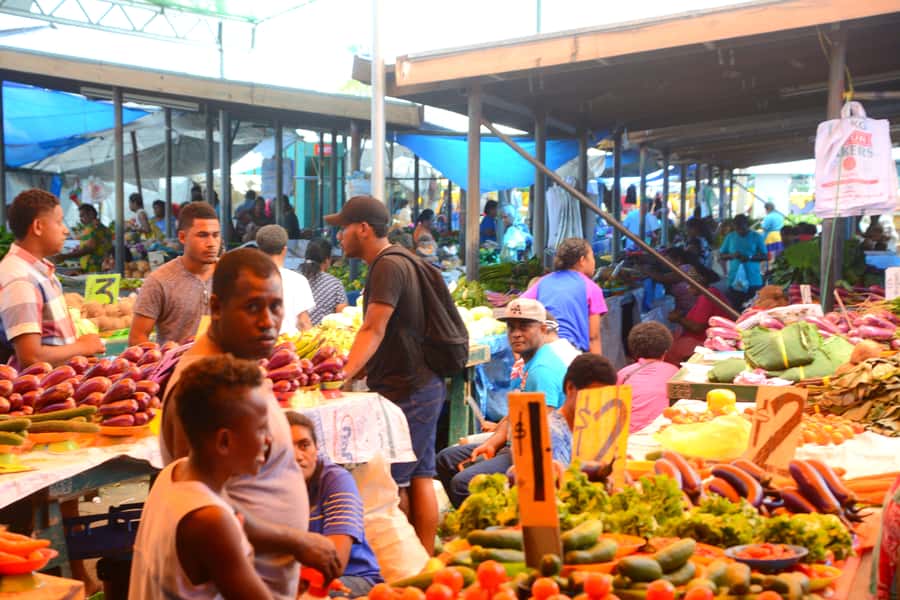
The municipal market is one of the more useful stops because it shows daily Suva rather than only official buildings. You have time to shop for local produce and gifts, and the market adds a direct connection to the city’s working life.
The description also mentions rare gifts and local handicrafts, but you should not assume every item will be available on every visit. Market conditions change, and the amount of shopping time depends on traffic, the group, and the guide’s schedule.
Lunch follows at one of the restaurants in the area. Food and drinks are not included, so bring money for the meal. This is a practical point when comparing the $79 price with the final cost of the day.
One guide, John, has been praised for adjusting the route to personal requests and for helping arrange an experience with authentic Fijian food. That suggests the lunch stop can be more than a quick break when the guide is flexible and time is on your side. Still, there is no fixed restaurant or included meal, so you should ask your guide about the plan at the start.
Sunday is worth noting. On one Sunday departure, shops and other places were closed, which reduced the value of the planned sightseeing and shopping. If you can choose your day, a weekday may give you a better chance of finding markets, shops, and public attractions operating normally.
Same island, a different sort of day:
- Captain Cook Cruises Fiji – Island and Reef Day Cruise
★ 4.5 · 752 reviews - Malamala Beach Club – Full Day
★ 4.5 · 684 reviews - South Sea Sailing Full Day Trip (5 years and above only)
★ 5.0 · 600 reviews - Jewel Of Fiji incl Fijian Village, waterfall & Lunch(Nadi Hotels)
★ 5.0 · 570 reviews
Colonial buildings and modern Suva
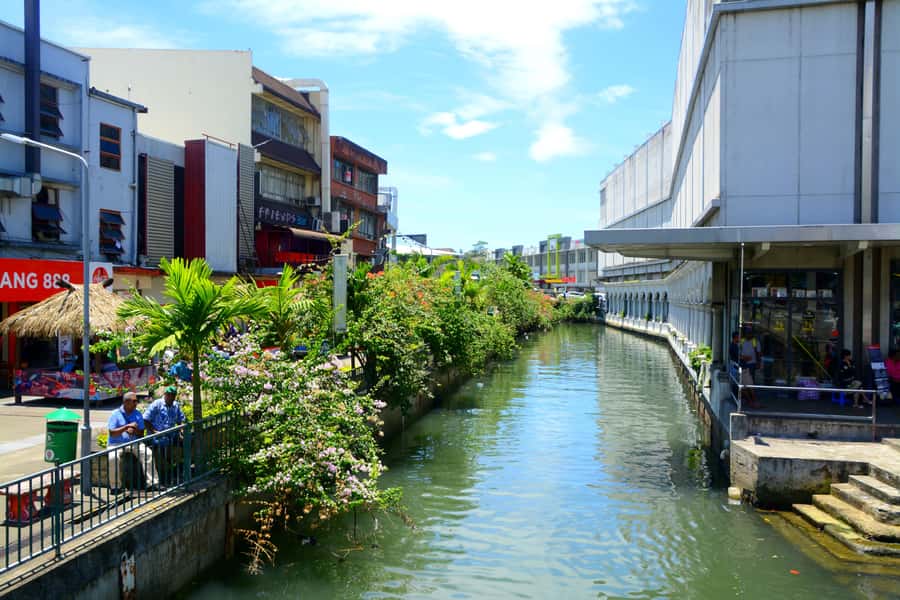
After lunch, the route returns to Suva’s architecture. You see colonial-era buildings alongside newer city structures, which helps explain the capital’s changing role. The tour does not present architecture as a formal walking lecture. Instead, you get a broad visual survey from the vehicle, with stops where the guide considers photographs worthwhile.
This part will appeal to you if you like seeing how a city functions today. Suva is not presented as a preserved old town. Its value is in the contrast between government offices, commercial streets, older buildings, and public spaces.
The experience can feel rushed if earlier stops run late. A four-hour schedule covers many places, and traffic or pickup problems can reduce time for the final sights. That is one reason to confirm the planned order and expected return time before setting off.
Photo stops at Parliament House and the chiefs’ complex
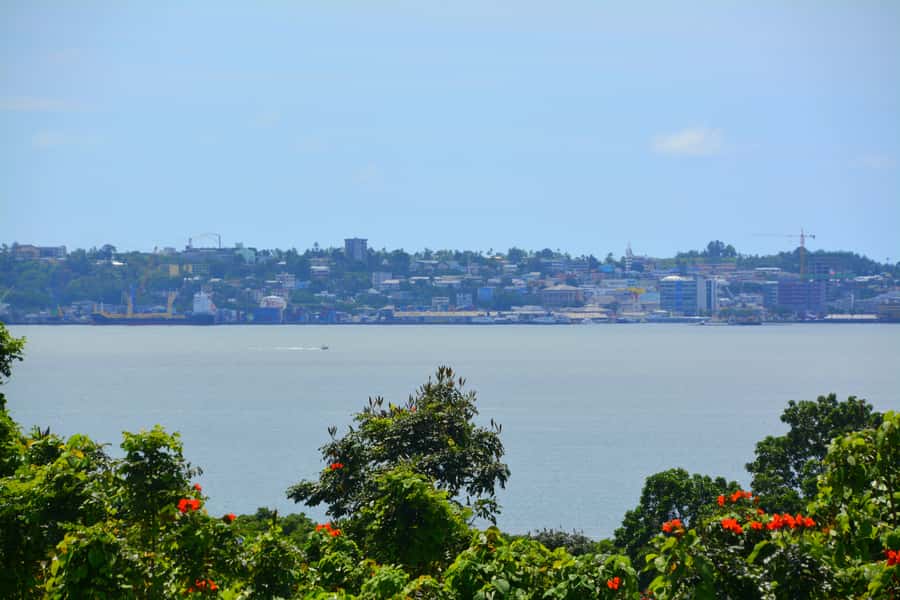
The Great Council of Chiefs complex and Parliament House are important photo stops. They connect the city tour to Fiji’s political structure and national identity.
You should expect to view these sites from designated areas rather than receive an extended interior tour. Their value lies in the guide’s commentary and in seeing the buildings within the wider government district.
This is a good place to ask clear questions. You might ask how the institutions fit into Fiji’s government, what the buildings are used for now, and how colonial design differs from later construction. The tour promises historical explanation, but the supplied details do not guarantee a particular depth of political discussion.
If you are mainly interested in architecture, these stops are worthwhile. If you want long visits inside Parliament or formal access to government facilities, this tour is not designed for that.
The Fiji Museum and its striking exhibits
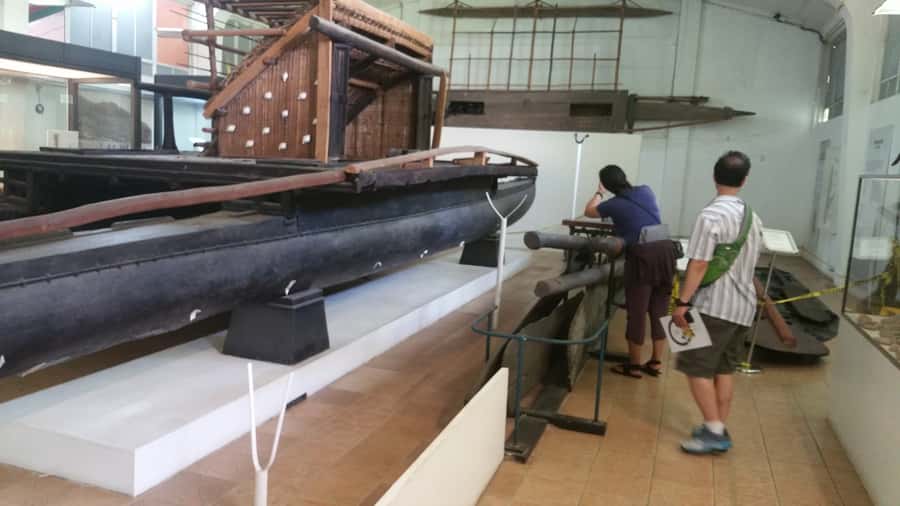
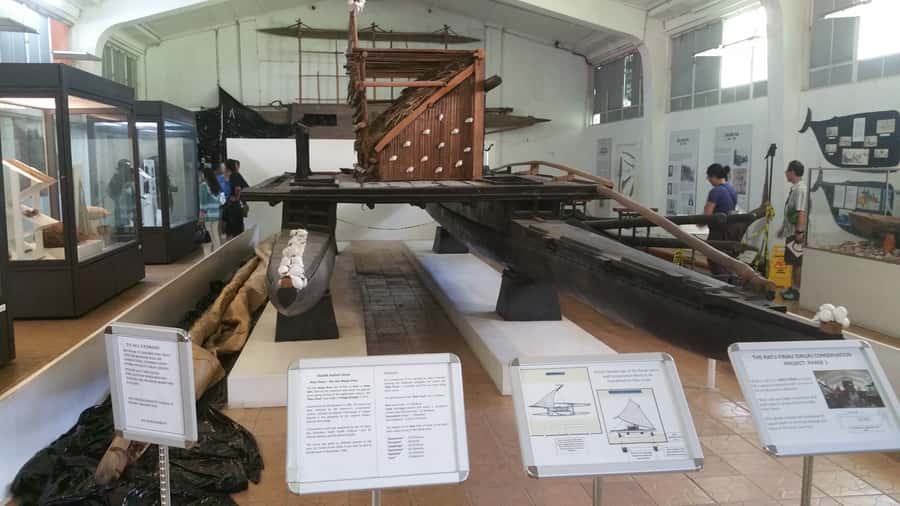
The Fiji Museum is the most focused historical stop. Its exhibits include ancient pottery, double-hulled canoes, and the remains of Reverend Thomas Baker’s boots. The displays cover difficult parts of Fiji’s past, including the cannibal era, so this is more than a quick collection of decorative objects.
The double-hulled canoes are particularly helpful for understanding Pacific seafaring and the skill needed to travel between islands. The pottery gives you a link to earlier communities, while the boots offer a very specific and unsettling connection to Reverend Thomas Baker’s story.
Entry to the museum is not included in the tour price. Ask about the current fee before you enter, and carry extra money for admissions as well as lunch and drinks. The listed price covers the guide, air-conditioned transport, and hotel pickup and drop-off, but not entry fees.
The museum visit may be brief because it shares time with several other stops. If the museum is your main reason for visiting Suva, a separate visit could let you take more time. If you want a compact introduction to Fiji’s past while someone else handles transport, its place on this route is convenient.
Handmade crafts at the Government Handicraft Center
The final shopping stop is the Government Handicraft Center. This is the place to look for handmade Fijian crafts and gifts after seeing the city’s market.
I like the contrast between the municipal market and the craft center. The market shows everyday commerce, while the handicraft stop is more directly focused on items you might take home. The two stops also give you different buying experiences, though the tour does not specify the exact products, prices, or amount of time available.
Do not leave all your shopping until the last minute if you have a particular gift in mind. Traffic, a late start, or a longer museum visit can affect the final stop. You may also want to ask whether the group will return to the hotel or port directly after shopping.
How the $79 price works out
At $79 per person, the tour is priced as a city overview rather than a single attraction visit. You are paying for four hours of transport, a guide, hotel or port pickup and drop-off, several sightseeing stops, market time, and a museum visit if you pay the separate entry fee.
That can be fair value if you would otherwise need to arrange taxis between the gardens, market, government district, museum, and craft center. It is less convincing if you only want to see two or three sights or if your port call is short and the pickup process is uncertain.
The price does not include lunch, drinks, or entry fees. Plan for those costs before comparing the tour with a self-guided day. The guide’s quality also affects the value. John has been praised for explaining local life and adapting to requests, while one poor departure involved a driver who appeared unfamiliar with Suva and ended the tour after about two hours.
That gap between strong and weak experiences is important. A good guide can turn a string of buildings into a readable story about Fiji. A weak guide can leave you with three quick stops that you could have arranged alone.
Pickup, timing, and vehicle concerns
The tour lasts four hours, but you should treat the schedule as a target rather than a guarantee. One port pickup began about an hour late, with no guide initially visible. Another departure started roughly 30 minutes late and then changed course to handle an unscheduled waterfall transfer, extending the outing by about 90 minutes.
Those are serious concerns if you have a cruise departure, a flight, or another fixed appointment. At the port, confirm exactly where the guide will meet you and keep the local operator’s contact details available. If the guide is not visible at the agreed meeting point, contact the operator promptly rather than waiting without information.
Vehicle comfort has also varied. The included transport is air-conditioned, but one group was placed in a small standard car that felt cramped for four adults. Ask what type of vehicle is planned, especially if you have luggage or prefer more space.
The tour includes English and French guide options. If language is important to you, confirm which language is assigned before the day begins.
Who should book this Suva tour?
I would consider this outing if you want a broad introduction to Suva and value having transport between scattered sights. It suits first-time visitors, cruise passengers with enough time in port, and people staying at one of the listed Suva or Nausori pickup areas.
It also suits you if you enjoy a mix of government landmarks, gardens, markets, museum exhibits, and shopping. John’s reported flexibility makes the tour more appealing for people who want to ask for an extra stop or try local food, though you should not assume every guide will offer the same level of adjustment.
I would be cautious if you need a strict return time, use a wheelchair, have significant mobility or heart concerns, or dislike walking between vehicle stops. I would also think twice if your main aim is a long museum visit or relaxed shopping.
The overall score is 3.6 from 17 ratings, which reflects the mixed picture. Several departures have delivered informative guiding and enjoyable local food, but the serious complaints about pickup, vehicle size, route changes, and short tour time cannot be brushed aside.
Should you book it?
Book this tour if you want the main Suva sights in one compact outing and are comfortable paying extra for lunch and museum entry. The gardens, municipal market, Fiji Museum, and craft center give the route a useful range, and a strong guide such as John can add real value.
Before booking, confirm the pickup point, vehicle, guide language, expected return time, and whether the museum will be open. Avoid scheduling a tight connection afterward. If reliability is your top concern, a private arrangement may be worth comparing, but this tour remains a practical way to get an organized first look at Fiji’s capital when the operation runs to plan.
FAQ
How long is the Suva city sightseeing tour?
The tour lasts four hours, including sightseeing, shopping, walking, photo stops, and transport between locations.
What places does the tour visit?
The route includes the President’s Residence, Albert Park, Thurston Botanical Gardens, the municipal market, colonial and modern city architecture, the Great Council of Chiefs complex, Parliament House, the Fiji Museum, and the Government Handicraft Center.
Is hotel pickup included?
Yes. Pickup and drop-off are included from listed Suva locations, including the Holiday Inn Suva, Grand Pacific Hotel, Peninsula International Hotel Suva, Port of Suva, and Lagilagi Housing Road. Pickup is also available from Suva and Nausori areas.
Is lunch included in the price?
No. Lunch, food, and drinks are not included. The tour stops at a restaurant area after the market so you can purchase lunch.
Is entry to the Fiji Museum included?
No. Entry fees are not included, so you should plan to pay the museum admission separately.
What languages are available?
The live guide options are English and French.
Is the tour suitable for wheelchair users?
No. Wheelchair users are listed as unsuitable for this activity. It is also not recommended for people with back problems, mobility impairments, or heart problems.
Can I cancel the booking?
You can cancel up to 24 hours in advance for a full refund. The reserve-now, pay-later option allows you to hold a place without paying immediately.
Just added in Fiji
- Zipline, Cave, Seaview & Mud Spa Tour with Lunch Included★ 4.3 · 4 reviews
- Fiji’s Full-Day Sabeto Safari 4WD Adventure★ 5.0 · 11 reviews
- Fiji Lautoka Shore Excursions Tour★ 5.0 · 16 reviews
- Fiji Marriott Resort Momi Bay To Nadi Airport or Denarau (Departure Transfer)★ 5.0 · 13 reviews
- Nadi Sightseeing & Mud Pool Tour – Ex Fiji Marriott, Momi Bay★ 5.0 · 12 reviews
- Fijian pottery crafting Village Experience & Natadola Beach Tour★ 5.0 · 8 reviews
- Fiji: Biausevu Waterfall and Sigatoka Sand Dunes Tour★ 4.8 · 5 reviews
- Fiji Adventure: Biausevu Waterfall & Dunes hiking Combo Tour!★ 5.0 · 8 reviews
Tours in Suva, compared.