
Reviewed · TOURS IN DENARAU ISLAND
Private Experience of the Authentic Lifestyle of People In Fiji
The most valuable part of this private Fiji experience is the way it connects several parts of daily life in one morning: a produce market, a farming school, an Indian household, and Yavuna Village. You are not simply looking at scenery from a vehicle. You are meeting people, tasting food, and seeing how rural communities work.
I like the honest mix of Fijian and Indo-Fijian culture, and I like that the tour makes room for real conversation. Guides such as Lina and Paulina are praised for their warm manner and storytelling. The main consideration is pace: five hours covers many stops, so this suits you if you prefer people and context over a slow resort day.
Key Points About This Fiji Day Out
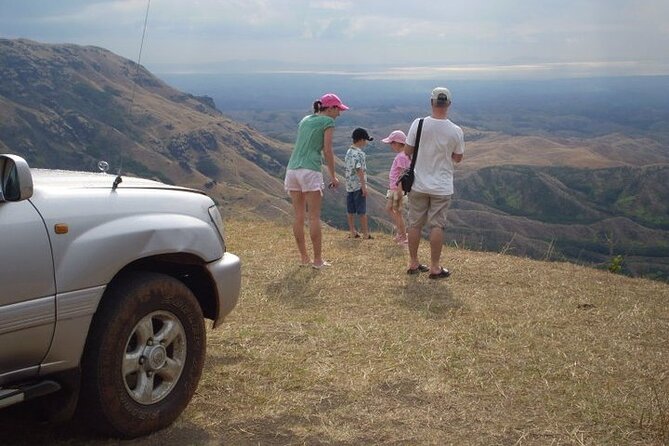
- Private transport from Denarau: Your group travels in a 4WD or minibus, with hotel pickup offered.
- Seasonal fruit at the local market: Your guide introduces local produce and points out food used later in the day.
- Rural farming and education: You visit a farming school, meet students, and pass sugarcane and vegetable fields.
- Two cultures through food: An Indian family shares food and cultural background before you continue to the Fijian village.
- Traditional sevusevu welcome: Yavuna Village receives you with a kava ceremony led according to Fijian custom.
- Village-prepared lunch: The day finishes with an authentic meal made by the community.
A More Personal Look at Fiji Near Denarau
Denarau is known for resorts, pools, golf, and polished waterfront facilities. This tour gives you a useful change of pace. Instead of keeping you inside the resort zone, it takes you toward the communities and working areas that support everyday life in Fiji.
That matters because Fiji is not one single culture. Fijian traditions and Indo-Fijian traditions have developed side by side, and this experience gives both a place in the day. You taste food from both communities, hear their stories, and see how culture is carried through homes, farms, ceremonies, and meals.
The setting is private, so only your own group takes part. That gives you more freedom to ask questions than you might have on a large bus excursion. If you are studying agriculture, food, family life, or Pacific cultures, tell your guide at the start. One guide adjusted the conversation for a university student studying agricultural engineering, focusing on farming methods and local practice.
Pickup begins around 9:00 a.m., and the full experience lasts about five hours. That makes it easy to fit into a holiday schedule, though the morning is active and full. Bring curiosity, a willingness to taste unfamiliar food, and respect for the people welcoming you into their communities.
A few more things to do in Denarau Island worth a look
- Fiji: Malamala Beach Club Private Island Day Pass & Transfer
★ 4.7 · 413 reviews - Private Departure Transfer From Your Hotel To Nadi Airport (cfc approved)
★ 5.0 · 77 reviews - Private Tour :Best of Nadi
★ 4.5 · 51 reviews
The Market: Start With What Fiji Eats
The first stop is a local fruit and vegetable market. This is not just a quick photo stop. Your guide uses the market to explain what people cook at home and which produce is in season.
You can sample some of the local fruit available that day. The guide also points out ingredients that may appear later at the Indian home or during lunch in Yavuna Village. That link is helpful. You are not tasting isolated snacks, then forgetting them. You begin to recognize the food before seeing it prepared.
Market conditions change with the season, so no exact selection is promised. That uncertainty is part of the point. The experience shows you what is available locally at the time of your visit, rather than presenting a fixed menu designed only for visitors.
If you are cautious with unfamiliar food, ask your guide what you are trying before tasting it. You may also want to mention allergies or dietary needs when booking, since the experience includes food sampling and a village-prepared meal.
Farming School and Fields Worked the Old Way
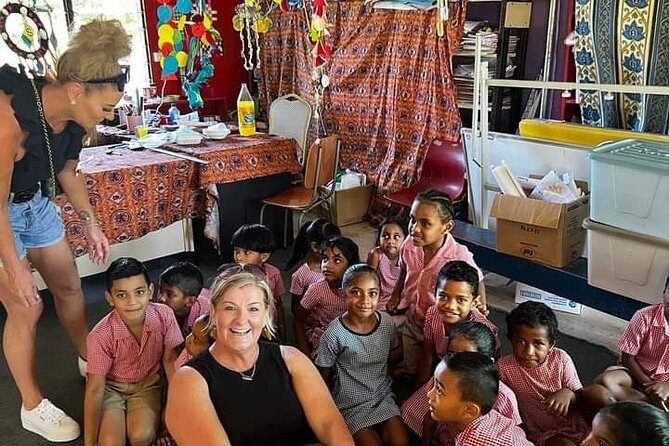
The next part moves into rural Fiji, with a visit to a farming school. You tour the school and meet students, gaining a look at education outside the resort areas. This is one of the more meaningful stops for families and anyone interested in how young people connect with agriculture and community life.
The route then passes through sugarcane and vegetable fields. You might see oxen ploughing, a method that has continued for more than a century. That detail gives the farming scene some weight. You are seeing a working practice with a long local connection, not a staged demonstration built solely for an excursion.
The stop may appeal most to you if you enjoy learning how food is grown and how rural communities function. It is less suited to someone looking only for beaches, shopping, or dramatic sightseeing. The focus is on people and work, not a list of major landmarks.
The school visit also calls for good manners. You are entering a place where children study, so listen to your guide about where to walk, when to take photos, and how to interact with students. The appeal of this stop comes from meeting people respectfully, not treating the school as a backdrop.
An Indian Home and a Taste of Indo-Fijian Life
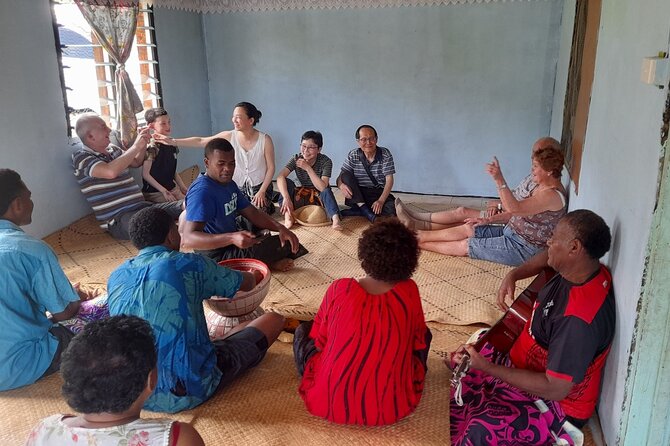
The tour then visits an Indian friend’s home. Here you sample Indian food and hear about the family’s culture and history in Fiji. This personal setting is one of the strongest parts of the experience because it gives you a household view rather than a general explanation from a guide.
Food does much of the talking. You taste dishes prepared by your hosts, then have a chance to ask about ingredients, customs, and daily life. The menu is not specified in advance, so expect a tasting rather than a restaurant-style meal with a choice of courses.
This visit also keeps the tour from presenting Fiji as culturally uniform. You see how Indian heritage forms a major part of the country’s social fabric, then compare that experience with the Fijian village later in the morning. The contrast is useful without turning either stop into a performance.
One practical point: a home visit depends on listening and being polite. Keep your questions friendly, accept that some customs may differ from your own, and allow the hosts to lead the conversation. You are being welcomed into a private space, which is a privilege and a responsibility.
Same island, a different sort of day:
- Cultural Night Tour
★ 4.5 · 470 reviews - Nadi: Garden Village Hot Spring & Temple Highlights Tour
★ 4.6 · 339 reviews - Discover Nadi Tour
★ 4.5 · 311 reviews - Fiji: South Sea Sailing Experience with Lunch & Drinks
★ 4.9 · 155 reviews
Yavuna Village and the Sevusevu Welcome
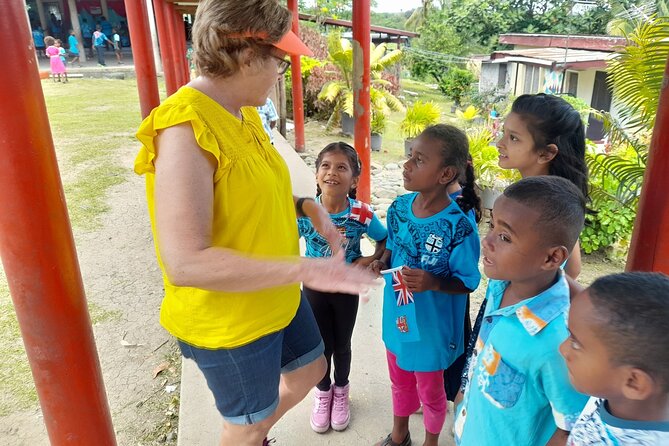
The final major stop is Yavuna Village. A village guide welcomes you, and the visit begins with a sevusevu ceremony. This is a customary Fijian welcome for visitors, and kava is used as part of the ceremony.
Kava has an important place in Fijian social life. The ceremony is not a quick entertainment act to check off before lunch. It is a formal gesture of welcome, and your guide can explain what is happening and how you should respond.
If you have never taken part in a sevusevu, do not worry about memorizing a complicated script. Pay attention to the village guide and follow the instructions given. The right attitude is calm respect. Avoid making light of the ceremony, and ask before taking photographs.
After the welcome, you take a guided walk around the village. This gives you a chance to see the community beyond the ceremony itself. You may learn about village life, family connections, local routines, and the spaces people share. The exact route and conversation can vary because this is a living community rather than a museum exhibit.
That is also the main limitation. You should not expect a polished attraction with signs at every turn. The value comes from the guide, the people you meet, and the questions you bring.
A Village Lunch Made for Your Visit
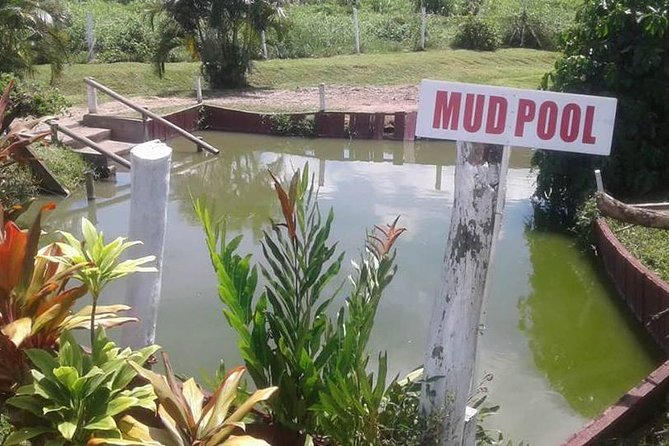
The village prepares an authentic lunch before you leave. This is a satisfying end to the route because food ties together nearly every stop: market ingredients, farming, household cooking, Indian food, and Fijian hospitality.
The exact dishes are not listed, so I would avoid booking this with the expectation of a particular recipe. Instead, think of it as a chance to eat food prepared by the community and to connect the meal with what you have seen during the morning.
Ask about the ingredients as you eat. Your guide can help explain what is local, how the food is prepared, and how it fits into Fijian life. If you have dietary restrictions, communicate them in advance. The supplied details do not promise a special menu, so you should confirm whether your needs can be met before booking.
Lunch also slows the day down. After the market, school, fields, and home visit, sitting down with village food gives you time to talk rather than rush to the next stop.
The Guides Make the Difference
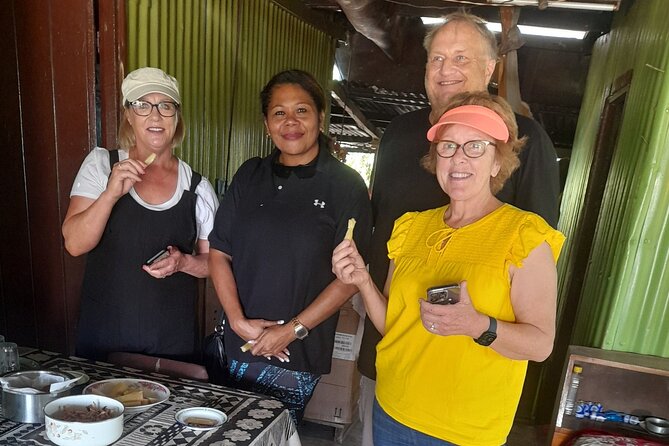
Several guide names appear in the experience feedback, including Lina and Paulina. Lina is praised for storytelling and for answering questions, while Paulina is described as professional and personal in her approach. Since guide assignments can change, you should not assume one specific person is guaranteed unless the operator confirms it.
What you can reasonably expect is a guide who links the stops together. The guide explains what you are seeing at the market, places the farming school in context, introduces the Indian family, and prepares you for village customs.
That connecting role is important. Without it, the tour could feel like four unrelated visits. With clear explanation, the morning becomes a picture of how food, school, agriculture, religion, family, and community fit together.
I would tell your guide what interests you at the beginning. If you care about farming, ask about crops and oxen ploughing. If you care about food, ask how market produce is used. If you want cultural background, ask about the differences between the Indian home visit and the Fijian village welcome.
What $97.84 Means in Practical Terms

At $97.84 per person, this is not the cheapest way to spend five hours in Fiji. Its value depends on what you want from the morning.
You are paying for a private experience, hotel pickup, transport in a 4WD or minibus, a guide, several community visits, food sampling, a kava welcome, and lunch prepared in the village. You also avoid having to arrange separate transport between scattered stops.
The private format matters most for couples, families, and small groups who want to ask questions or move at a comfortable pace. A larger group might find the price less attractive, especially if its members are mainly looking for sightseeing rather than cultural contact.
Compared with a standard resort outing, this offers more personal interaction and a wider view of Fiji. Compared with a simple market visit, it gives you far more context and food. The strongest value comes if you make use of the private format by asking questions and showing interest.
There are also unknowns. The duration is approximate, and food details are not specified. You should book for the overall experience rather than for a guaranteed menu or fixed sequence lasting exactly five hours.
Who Will Enjoy This Most
I would recommend this experience to you if you want to understand Fiji beyond the resort area. It suits people who enjoy home visits, local food, conversation, agriculture, and cultural customs.
Families may appreciate the school and the range of stops, though adults should help children behave respectfully around students and during the sevusevu ceremony. Food-focused visitors get several useful reference points, from market produce to Indian cooking and village lunch.
It is also a good fit for anyone who likes asking questions. A private guide can adapt the conversation to your interests, and the personal visits give you more than a standard sightseeing script.
You may want to choose another activity if you prefer a quiet morning, a beach, water sports, or a tightly scheduled attraction tour. This is a social experience. You will meet people, enter community spaces, taste food, and take part in customs. That requires attention and flexibility.
Most travelers can participate, and the activity is private for your group. The supplied details do not provide a specific accessibility assessment, so contact the operator if you have mobility concerns about the vehicle, school, fields, village walk, or home visits.
Booking, Timing, and Cancellation
The advertised start time is 9:00 a.m., with pickup offered from your hotel in the Denarau area. Confirmation is received when you book, and a mobile ticket is provided.
You can cancel for a full refund if you do so at least 24 hours before the local start time. Changes or cancellations made within 24 hours are not accepted for a refund. Keep that deadline in mind if your holiday plans depend on weather, transport, or a changing cruise schedule.
Wear practical clothing for a morning that includes a market, fields, village walking, and community visits. The information provided does not specify a dress code, but modest, respectful clothing is a sensible choice for a village and a family home. Ask before photographing people, students, food preparation, or ceremonies.
Should You Book This Fiji Experience?
Book it if you want a personal introduction to Fiji that brings together food, farming, and community life. The combination of the market, rural school, Indian family visit, and Yavuna Village gives you more cultural range than a single village stop.
I would especially choose it for a first visit to Fiji, a small private group, or anyone who wants a thoughtful break from Denarau’s resort routine. Lina and Paulina are named as guides in the supplied feedback, but confirm the assigned guide if that matters to you.
Skip it if you want a relaxed beach morning or a highly predictable schedule. For the right audience, though, the $97.84 price buys access to conversations and places you could not easily arrange on your own. That is the real reason to go.
FAQ
Where does the experience start?
The tour is based on Denarau Island, Fiji, and pickup is offered from your hotel.
What time does the tour begin?
The listed start time is 9:00 a.m.
How long does the experience last?
The tour lasts approximately five hours.
Is this a private tour?
Yes. Only your group takes part in the activity.
What type of transport is used?
Pickup and transport are provided in a 4WD or minibus.
Will I visit a local market?
Yes. The first stop is a fruit and vegetable market, where the guide explains local food and you may sample seasonal fruit.
Does the tour include a school visit?
Yes. You visit a rural farming school, tour the school, and meet students.
Is kava included?
Kava is used during the sevusevu welcome ceremony in Yavuna Village.
What is the cancellation policy?
You can cancel at least 24 hours before the local start time for a full refund. Cancellations or changes made less than 24 hours before the start time are not accepted for a refund.
Just added in Denarau Island
- Fiji Adventure: Biausevu Waterfall & Dunes hiking Combo Tour!★ 5.0 · 8 reviews
- “Discover Fiji’s Hidden Gems: Eco Park, Pottery Village & Dunes!”★ 4.5 · 23 reviews
- Cultural Day Tour★ 5.0 · 21 reviews
- 6 Hours Giant Zipline Adventure Park in Fiji★ 4.5 · 27 reviews
- Fiji: Half-Day Island Activities Tour with Jungle Cruise★ 3.9 · 29 reviews
- Kuata Island Marine Conservation Experience with Lunch★ 4.5 · 19 reviews
- Blue Lagoon Cruises – Explorer Cruise – 3 Nights★ 4.5 · 21 reviews
- Nadi Heritage Tour★ 5.0 · 26 reviews
Tours in Denarau Island, compared.


Malamala Beach Club Private Island Day Pass & Transfer
Read our review →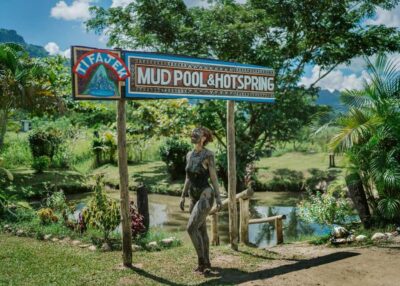
Garden Village Hot Spring & Temple Highlights Tour
Read our review →

South Sea Sailing Experience with Lunch & Drinks
Read our review →
Ultimate Encounter Snorkel with Sharks in Fiji
Read our review →
Finding Nemo – Half Day Cruise to South Sea Island
Read our review →Browse the lists this tour appears in